
Winter is a season of festivities, but it also presents unique challenges to your home’s plumbing and heating systems. The cold weather can strain essential systems, leading to inconvenient and costly problems if not addressed promptly. To help you avoid potential issues, United Water Restoration Long Island shares seven common winter plumbing and heating problems and tips for preventing them.
1. Frozen Pipes
The Problem:
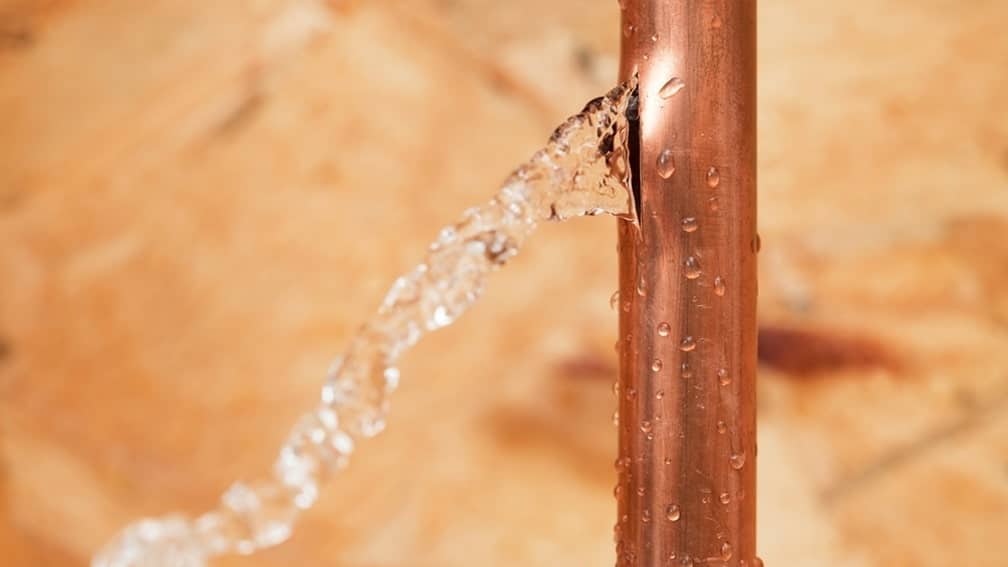
When temperatures plummet, unprotected or poorly insulated pipes can freeze. As water expands when it freezes, it increases pressure inside the pipes, leading to cracks or even bursts. A burst pipe can result in extensive water damage and costly repairs.
Signs of Frozen Pipes:
- Weak water pressure or no running water.
- Frost visible on exposed pipes.
- Unusual sounds or odd smells coming from pipes or drains.
- Cracked or leaky pipes.
Prevention & Solutions:
- Insulate pipes in unheated areas like basements, attics, and crawl spaces.
- Keep cabinet doors open under sinks to allow warm air to circulate.
- Let faucets drip slightly during extreme cold to relieve pressure and prevent freezing.
- If you suspect a frozen pipe, turn off the main water supply and contact our plumbing division immediately to minimize damage.
- If you’re traveling in winter, avoid turning off your heat completely. Set your thermostat to at least 55°F to prevent pipes from freezing while you’re away.
2. Clogged Drains
The Problem:
Holiday cooking can take a toll on your kitchen plumbing. Grease, oils, and food scraps can build up in the drains as you prepare meals for family gatherings. At first, these substances may seem harmless, but over time, they build up and cause blockages. Increased usage of kitchen sinks and garbage disposals during the winter holidays only adds to the problem, making kitchen sink drain clogs more likely.
Signs of Clogged Kitchen Drains:
- Water drains slowly or pools in the sink.
- Gurgling or bubbling noises from the drain.
- Foul odors coming from the sink or garbage disposal.
- Water backs up into the sink or dishwasher.
Prevention & Solutions:
- Never pour cooking grease down the drain. Pour it into a container, let it solidify, and dispose of it in the trash.
- Place sink strainers over drains to catch food scraps and prevent them from entering your plumbing system.
- After cooking, run hot water down the drain to help clear away grease and food particles.
- Avoid overloading your garbage disposal or grinding difficult items like fibrous vegetables, bones, or eggshells.
- If you notice persistent clogs, use a plunger or a plumbing snake to clear the blockage safely.
- Call a 24/7 professional plumber to address severe clogs so your holiday celebrations aren’t disrupted—schedule service with our plumbing division to keep your plans on track.
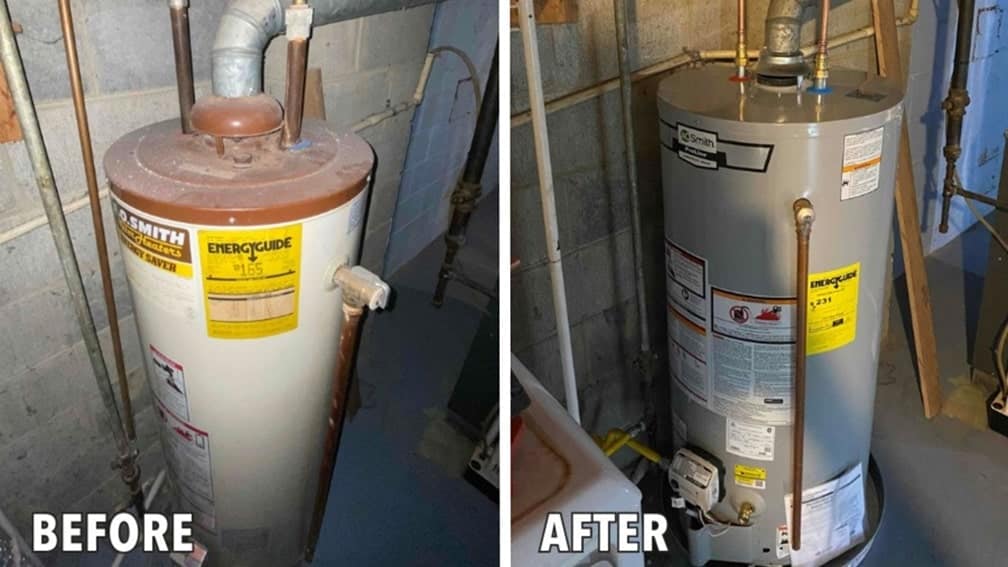
3. Water Heater Failure
The Problem:
Cold weather increases the demand for hot water, putting extra strain on your water heater. Additionally, sediment buildup inside the tank can reduce efficiency, and extreme temperatures may stress aging systems to the point of failure.
Signs of Trouble:
- Water takes longer than usual to heat.
- Unusual noises like popping or rumbling from the tank.
- Inconsistent water temperature or reduced hot water supply.
Prevention & Solutions:
- Schedule regular maintenance, including flushing the tank to remove sediment buildup.
- Check and replace the anode rod to extend the unit’s lifespan.
- Ensure your water heater is appropriately sized for your household’s hot water needs during winter.
- If your water heater has insulation with an R-value lower than 24 and is in a cold or drafty area, consider insulating the tank and pipes to improve efficiency, reduce energy costs, and help prevent it from overworking during the colder months.
- If your unit is older or frequently failing, consider upgrading to a more efficient model before winter hits.
- Do you have a problem with your water heater? Call our plumbing division at (631) 616-9088 to schedule a service call.
4. Oil Burner or Furnace Issues
The Problem:
Heating systems work overtime in winter, which can lead to breakdowns. Problems such as dirty filters, mechanical wear, or insufficient fuel can leave your home cold and uncomfortable.
Signs of Heating System Problems:
- Uneven heating or cold spots in certain areas of your home.
- Higher energy bills without increased usage.
- Strange noises, such as banging or whistling.
- The furnace frequently cycles on and off or fails to start.
Prevention & Solutions:
- Replace filters every 1-3 months to ensure proper airflow and efficiency.
- Schedule a tune-up before winter to address wear and tear and check for potential issues.
- Monitor oil levels if you have an oil burner, and arrange timely deliveries to avoid running out.
- If your heating system is outdated, consider upgrading to an energy-efficient model to save on long-term heating costs.
5. Puffbacks
The Problem:
A puffback occurs when unburned oil or gas ignites in a furnace or boiler, dispersing soot and smoke throughout the home. This messy problem can signal a serious heating system malfunction.
Signs of a Puffback:
- Black soot stains on walls, ceilings, or around heating vents.
- A lingering oily or smoky smell.
- Unusual noises from the heating system, like rumbling or small explosions.
Prevention & Solutions:
- Schedule annual heating system maintenance to ensure proper operation and address any oil, gas, or debris buildup.
- Replace filters regularly to maintain airflow and prevent system strain.
- Keep the area around the furnace or boiler clean and free of debris.
- If you experience a puffback, shut off the system and contact a heating professional immediately to prevent further damage.
- Cleaning up after a puffback is not a typical DIY task. Homeowners should contact a company like United, which specializes in soot removal. We use advanced techniques and equipment to remove soot and restore affected areas.
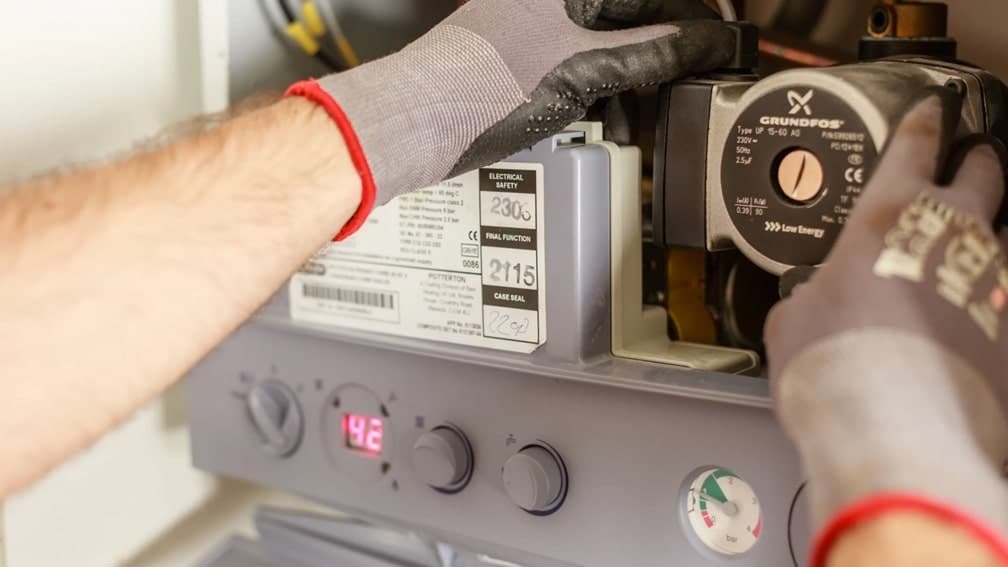
6. Boiler Problems
The Problem:
Boilers are essential for keeping homes warm in winter but can face unique challenges during the colder months. Issues like pressure drops, frozen condensate pipes, and system leaks can compromise their efficiency or leave your home without heat. Regular maintenance is the key to avoiding costly repairs or breakdowns.
Signs of Boiler Problems:
- The boiler fails to heat your home or water adequately.
- Unusual noises, such as banging, gurgling, or whistling.
- Frequent pressure drops or water leaks around the unit.
- An error code or warning light appears on the boiler’s display.
Prevention & Solutions:
- Condensate pipes are prone to freezing during winter, which can cause the boiler to shut down. You can insulate or keep these pipes warm with heat tape to prevent freezing.
- Ensure the boiler maintains the recommended pressure (typically 1–2 bar). If the pressure is too low, consult your manual for instructions on how to top it up safely.
- Schedule annual maintenance. A professional inspection can identify potential issues, clean components, and ensure your boiler runs efficiently.
- Bleed radiators. Release trapped air from radiators to improve heating performance and reduce strain on the boiler.
- If your boiler stops working or displays an error, consult the manual for troubleshooting steps and call us at (631) 616-9088 if the issue persists.
7. Sump Pump Backup
The Problem:
Winter snowmelt can lead to increased water entering your sump pump system as it drains from around your home’s foundation. This additional load can overwhelm the system, and freezing temperatures can cause the pump or discharge lines to freeze, preventing water from being properly expelled. Clogs from debris or ice buildup can further exacerbate the issue, leading to backups and potential basement flooding.
Signs of Sump Pump Backup:
- The sump pump runs continuously or cycles frequently but doesn’t remove water effectively.
- Water pooling in or near the sump pump pit.
- Frozen or blocked discharge pipes outside the home.
- Unusual noises coming from the sump pump indicate strain or mechanical issues.
Prevention & Solutions:
- Ensure that discharge lines are debris-free and adequately sloped to prevent freezing. For extreme temperatures, adding insulation or heat tape can help.
- Winter storms can lead to power outages. A battery backup or generator ensures your sump pump continues to operate when needed most.
- Regularly check and clear the pit of debris that could clog the system.
- Test your pump by periodically pouring water into the sump pit, making sure the pump activates and discharges water correctly.
- Equip your sump pump with a freeze-resistant discharge line.
- If your sump pump backs up or fails during the winter, act quickly to address the issue. In severe cases, contact our trusted team of emergency plumbers at (631) 616-9088 to inspect the system, clear blockages, or repair damaged components to prevent costly water damage.
Keeping Your Home Winter-Ready
Winter doesn’t have to be a season of worry for Long Island homeowners. By understanding and addressing these common plumbing and heating problems—such as frozen pipes, clogged pipes, and water heater failure—you can ensure your home stays safe, warm, and functional throughout the colder months.
If you encounter any problems or need help winterizing your home, our team is ready to assist. From proactive maintenance to timely repairs, we’re here to keep your plumbing and heating systems in peak condition, no matter what challenges the season brings!