

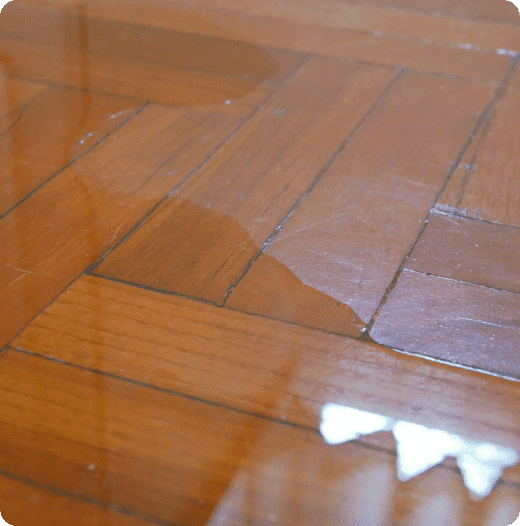
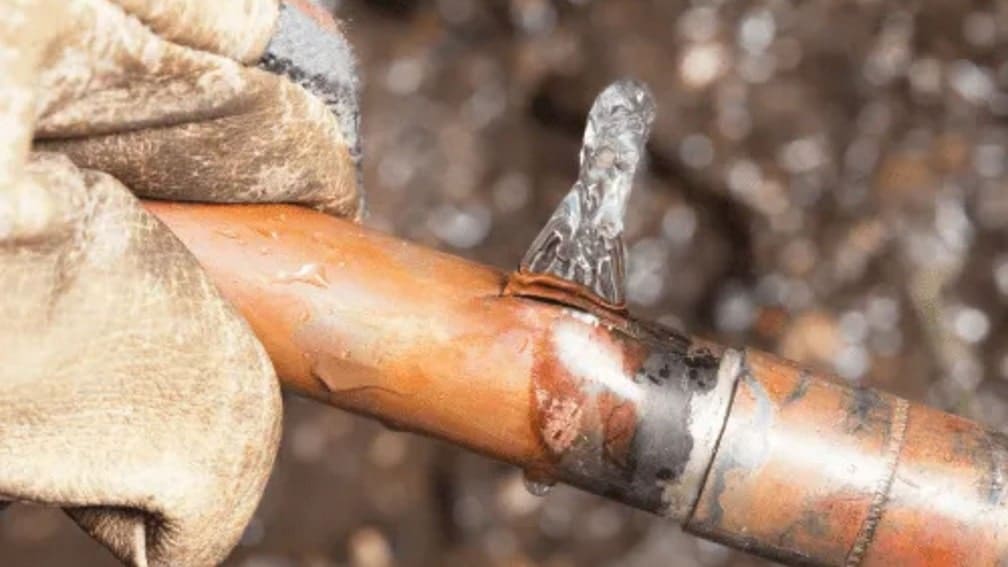
Old Man Winter has his icy grip on Long Island, ushering in extreme cold and the risk of frozen or burst pipes for residential and commercial properties. Your pipes may be more vulnerable to the relentless chill than you think. Be aware that when pipes freeze, water pressure builds, causing cracks—no matter if the pipe is plastic, copper, or steel. Even a tiny crack can unleash more than 250 gallons of water daily. This underlines the urgent need to address this issue.
When weather forecasts include a polar vortex or arctic blast, Long Island property owners must be alert when temperatures drop into the single digits or teens for consecutive days. When pipes freeze, the risk of them bursting increases significantly. Burst pipes can cause substantial flooding and result in expensive water damage repairs. 1-Tom-Plumber Long Island, our emergency plumbing and drain cleaning service division, offers preventive measures to help you minimize the risk of a plumbing catastrophe.
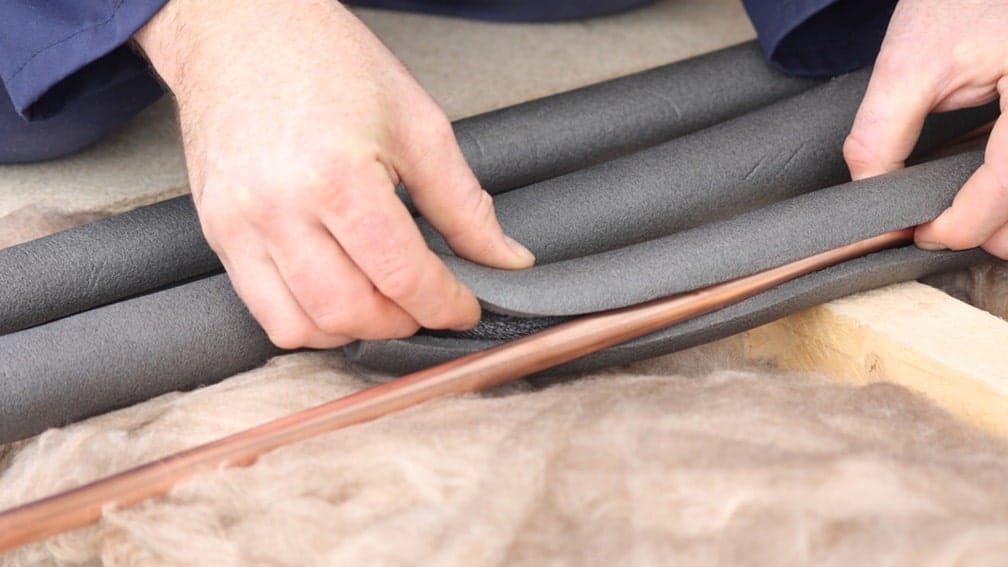
How to Prevent Pipes from Freezing
- Insulate pipes in unheated areas, such as garages or crawl spaces. Apply heat tape or thermostat-controlled heat cables around exposed pipes prone to freezing.
- Ensure the heat is on and set to at least 55°F. This applies when you’re on vacation or in a vacant building.
- Open kitchen and bathroom cabinets to circulate warmer air around uninsulated pipes.
- If you’re planning to leave home for extended periods, shut off the main water valve and drain the system by opening faucets at the highest and lowest points of the house.
- Disconnect outside water hoses. If left connected, the water in the hoses can freeze and expand, causing faucets and connecting pipes inside your home to freeze and break. Cover outside faucets with a faucet insulation kit, which can be found at home centers.
- If outside faucets are dripping or leaking, make the necessary repairs or call a plumber before sub-zero temperatures arrive.
- If your home has interior shut-off valves leading to outside faucets, close them and drain water from the lines.
- Allow hot and cold water to drip overnight in sinks and bathtubs. However, do not run water into a drain if the drain line is exposed to extreme cold. The line could freeze and cause back-ups.
- Inspect and clean your sump pump and pit. Pumps exposed to extreme cold can freeze, preventing them from operating.
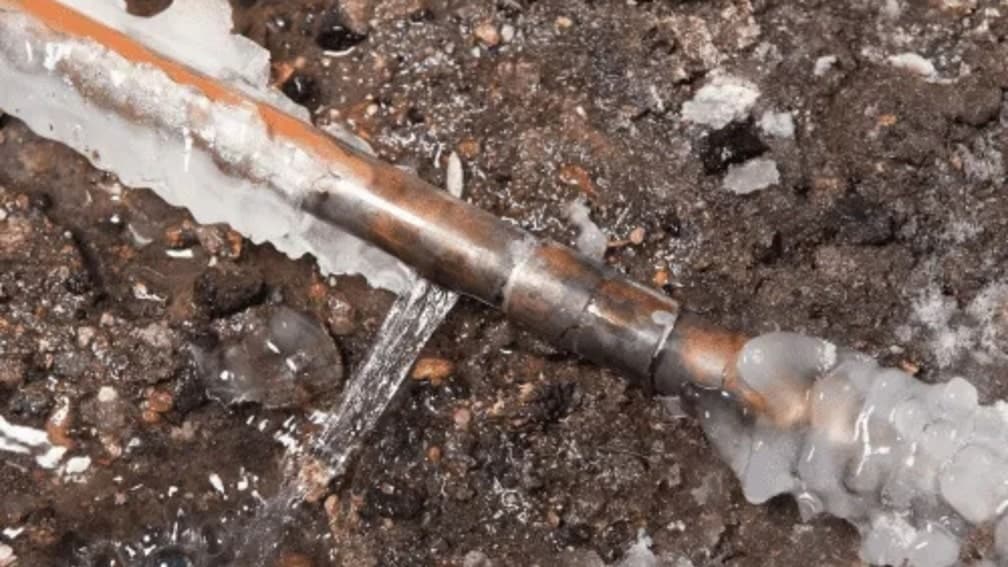
What are the Warning Signs of Frozen Pipes?
- One of the most noticeable signs is a decrease in faucet water flow. If you turn on the tap and only a trickle comes out, it could suggest that ice is forming within the pipes.
- Listen for unusual sounds—such as a gurgling or tapping noise when you turn on the tap. This can indicate that the water is struggling to push past a frozen section of the pipe.
- You may also notice frost or condensation on the exterior of exposed pipes, especially in unheated areas like basements, crawl spaces, or attics. If you see this, it is a warning sign that freezing may occur.
- If you notice significant temperature differences in various parts of your home or business, particularly in areas where plumbing is located, this could signal that those pipes are receiving proper heat and are at risk of freezing.
- If you’ve had a warm spell but haven’t regained normal water flow, your pipes may have frozen and need to be thawed. When pipes thaw, the risk of them bursting increases.
What to Do If Your Pipes Have Already Frozen
- Shut off the water main leading into the structure to reduce pressure on the frozen pipes and minimize flooding if the pipes burst.
- If the frozen pipe is exposed and visible, use a hair dryer to thaw the ice blockage. Do not use an open flame!
- Examine exposed pipes for leaks. Even with the water main turned off, once the pipe has thawed, there will be enough pressure to reveal leaks.
- Even if you find no leaks, a Long Island plumber should examine pipes that experienced a hard freeze. You may need to replace your pipes since the material undergoes stretching and fatigue, putting them at risk for future failure.
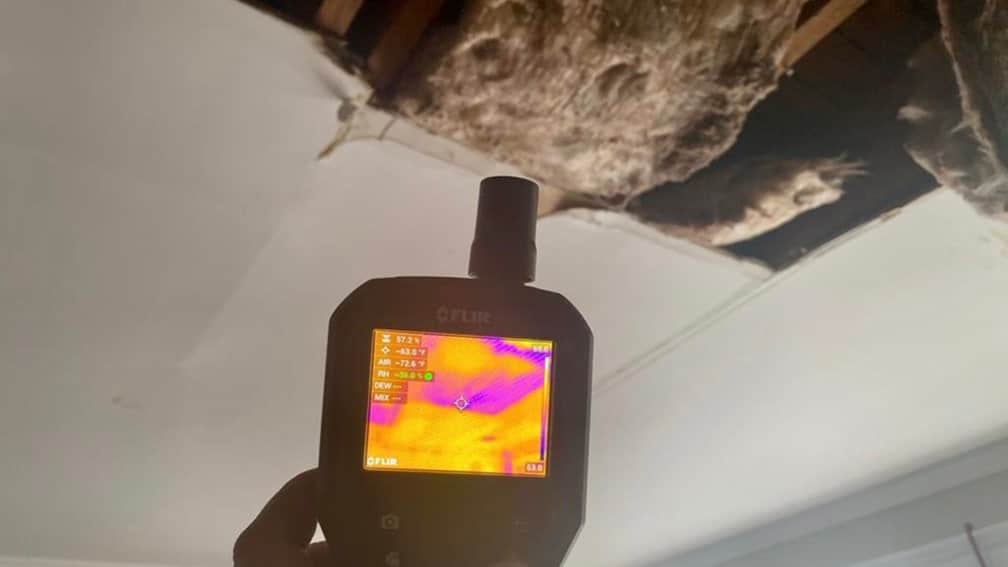
We Can Restore the Damage and Get Things Flowing Again
By being aware of these signs and taking preventive measures, you can avoid the inconvenience and damage caused by frozen pipes. Remember, staying proactive and monitoring your plumbing system is key to ensuring it functions correctly during winter, especially when Long Island experiences a bitter blast of frigid air.
If your pipes experience a hard freeze, call 1-Tom-Plumber Long Island at (631) 616-9088 or United Water Restoration Long Island at (631) 494-4764. We’ll assess for damage, make repairs, and get pipes flowing again. If frozen pipes burst, shut off your main water supply and call us immediately.