

We don’t usually think of Long Island as being prone to tornadoes, but as of late, it seems that they have been happening in our region with greater frequency. Of course, in smaller numbers than the states in Tornado Alley and Dixie Alley. However, they can and do happen here. Many Long Island residents are beginning to wonder if they should do more to prepare for such a natural disaster.
Looking at recent Long Island history, weak tornadoes have become more common. Since 1950, Long Island has seen more than 40 tornadoes—most of them in Suffolk County. The statistic that stands out is how many of those have come since 1990 — 30, compared to just 11 40 years prior. Some experts believe rare weather events and the rise in tornado outbreaks could be related to climate change and global warming. However, it remains unclear what role warmer temperatures play. On the other hand, an increase in reports can be due to updated damage criteria, newer technologies, and smartphone users capturing these events.
2024 has been an unusually active year, with New York State experiencing a record number of tornadoes, all touching down in upstate areas. As of August, there have been 26 confirmed twisters, with 20 occurring in July alone. According to the NOAA/NWS Storm Prediction Center, the Empire State typically sees about eight tornadoes annually. While upstate New York grappled with this unprecedented series of tornadoes, Long Island was instead faced with torrential rainfall, leading to significant flooding and water damage.
Tornadoes 101
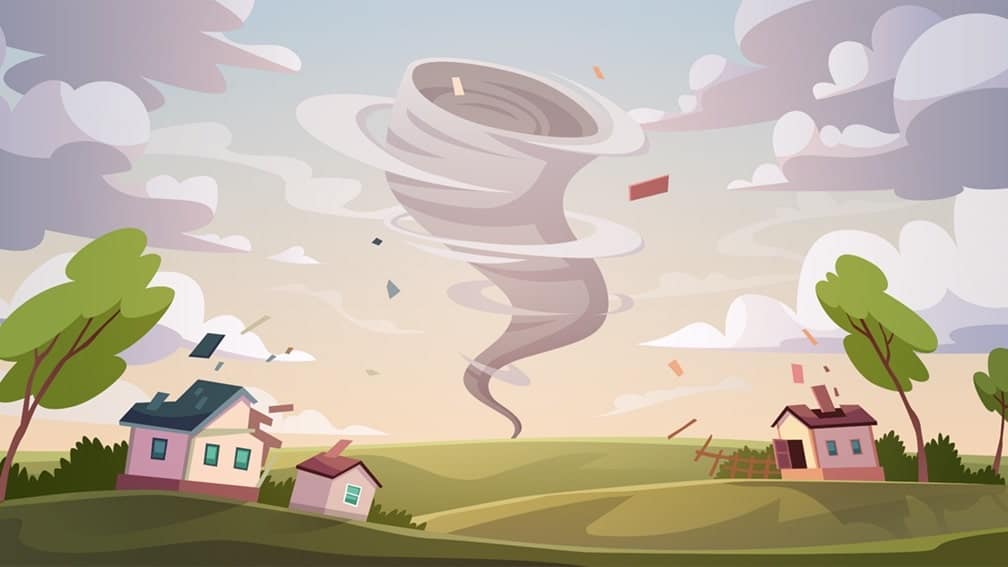
A tornado is a violently rotating air column extending from a thunderstorm to the ground. It can uproot trees, destroy entire buildings, and throw cars hundreds of feet. Tornadoes typically form in areas of strong thunderstorms, tropical storms, or hurricanes.
The Enhanced Fujita Scale (or EF Scale), operational in 2007, rates a tornado based on estimated wind speeds and related damage. A team of meteorologists and wind engineers revised the original F-scale to reflect better surveying of tornado damage. To determine an enhanced F-scale rating, an NWS survey team reviews a list of 28 tornado damage indicators and degrees of damage to help estimate the wind speed range.
- EF0: The weakest type of tornado, with wind speeds between 65 and 85 mph. Light damage is possible.
- EF1: Wind speeds of 86 to 110 mph. Potential for moderate damage.
- EF2: Wind speeds of 111 to 135 mph. Considerable damage is probable.
- EF3: Wind speeds of 136 to 165 mph. Damage is likely severe.
- EF4: Wind Speeds of 166 to 200 mph. Possibility for devastating damage.
- EF5: The strongest tornado, with wind speeds above 200 mph. Expect an incredible amount of damage.

Tornado Watch vs. Warning
Knowing the difference between a tornado watch and a warning could save your life. The Storm Prediction Center issues a watch when conditions favor a tornado. Prepare for severe weather and stay alert. A warning means that a tornado has been sighted or indicated by radar, and you should take shelter immediately. Be prepared, and stay safe.
Long Island Twisters
Tornado warnings for Long Island are not unusual. Many people take them seriously; some do not. Whether you heed the warnings or not, one thing is sure: when a tornado touches down, it can be devastating. Typically, tornadoes are more common during the warmer months. But the recent surge of tornadoes has been towards the end of summer and fall.
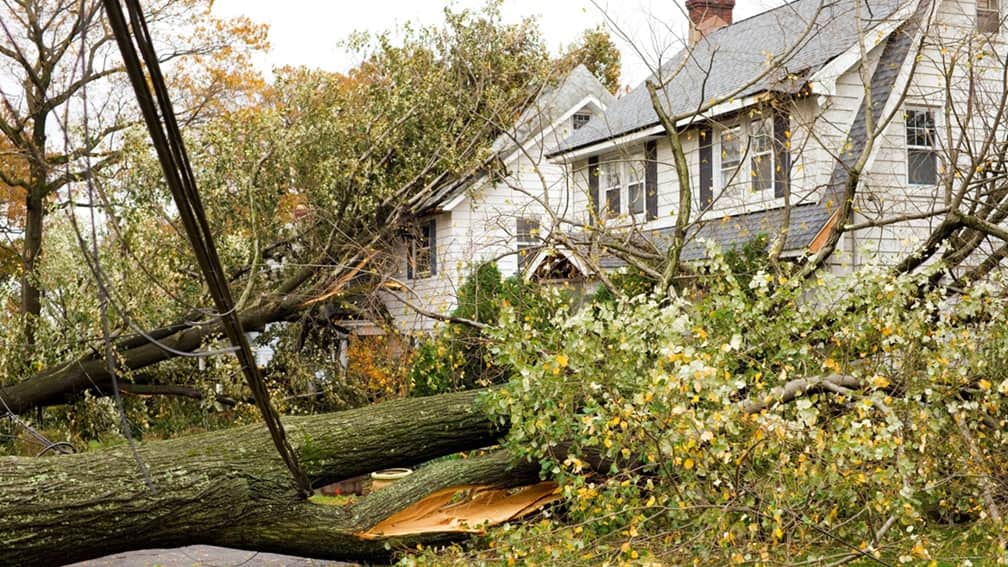
A powerful line of thunderstorms on Nov. 13, 2021, triggered a cluster of tornadoes on Long Island – five in Suffolk County and one in Nassau County – causing widespread property damage, fallen trees and limbs, and power outages. The day was active, with 11 tornadoes crossing through Connecticut, New York, and Rhode Island.
It was the first time a tornado was recorded on Long Island in November. Of the six instances, one was an EF1 that traveled from Shirley to Manorville with maximum wind speeds of 110 mph. EF0 tornadoes with peak winds of 85 mph hit Woodmere, Uniondale, Levittown, East Islip, Oakdale, Remsenburg, Westhampton, North Bellport, Hampton Bays, and North Sea. Altogether, the tornadoes caused $2.6 million in damage.
More recently, the NWS confirmed severe thunderstorms on the evening of Sept. 26, 2022, spawned an EF0 tornado in Mattituck. Winds reached up to 85 mph and left a two-mile trail of destruction. The tornado downed trees, knocked out power, and badly damaged a school’s tennis courts, scoreboards, and gymnasium roof. There was a low risk for tornadoes that day, but one did touch down. So what does that tell us? Always be ready!
Are You Prepared For a Tornado on Long Island?
Long Islanders are all too familiar with the devastation that severe weather can bring to our properties and communities. As a property owner or manager, it’s essential to be prepared for severe weather conditions like tornadoes.
You can increase your chances of staying safe during a tornado by being aware of the forecast and knowing what to do when a warning is issued. Simple steps, like making sure your home or business is well-constructed and creating an emergency kit, can go a long way toward keeping you and your loved ones safe.
1. Know your risk: Tornadoes can occur at any time of year, but peak tornado season in the Northeast is in July. Strong thunderstorms have produced tornadoes in our area.
2. Have a plan: If a tornado warning is issued for your area, know where you are going and how you will get there. Remember to include your pets in your plans.
3. Stay informed: Monitor for updates from local news or officials about severe weather conditions.
4. Be protected: Tornadoes can cause significant damage. Standard homeowner insurance covers tornado property damage to your home or personal belongings. FEMA also offers disaster assistance programs that can help cover the cost of repairs if your home or business sustains damage from a tornado.
5. Stay calm: Tornadoes are relatively infrequent on Long Island. Our area has never experienced an EF3 tornado or stronger. Proper preparation can minimize the risk of injury or property damage should a strong twister rip through your neighborhood.
Tornado Safety & Awareness
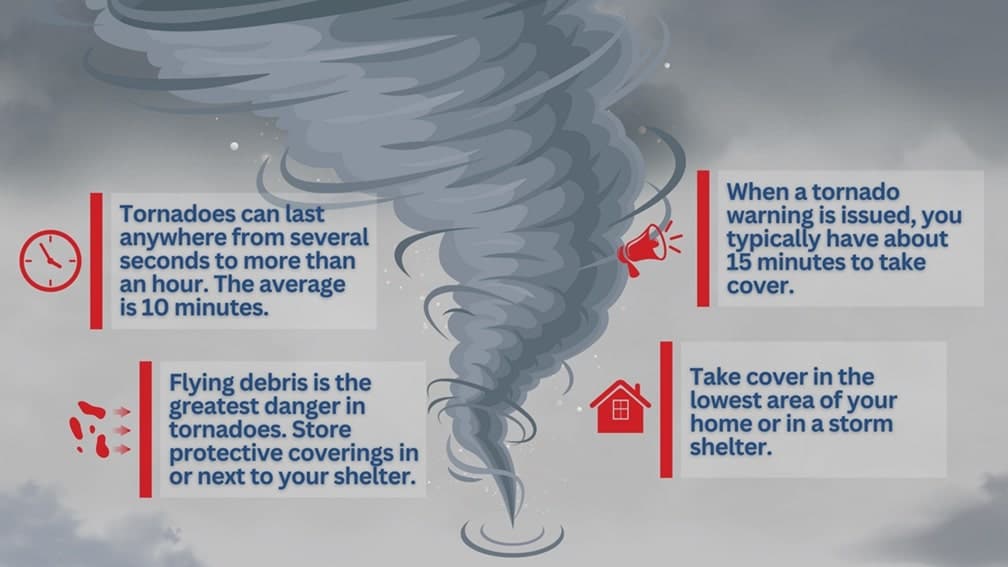
While you can’t prevent tornadoes from happening, there are precautions you can take to protect yourself and your family as well as your property. Having a plan and knowing what to do in a tornado could save your life and the lives of your loved ones. If you find yourself in the path of a tornado, here’s what you can do to stay safe.
- Monitor for severe weather conditions.
- Regularly cut back diseased, broken, or damaged tree branches and limbs.
- Remove any debris and loose items from your yard.
- Have a plan for where you will go if a tornado warning is issued for your area.
- If you are inside when a tornado warning is issued, go to the lowest level of your home or business. Get away from windows and protect your head and neck with your hands or a blanket.
- If you are outside when a tornado warning is issued, find a low-lying area like a ditch and lie flat with your hands over your head and neck.
- Do not try to outrun a tornado in your car. Instead, leave your vehicle immediately and find shelter.
- Some things to look out for include dark or green skies, large hail, uprooted large trees, rotating clouds, flying debris, and a roar that sounds like a freight train. If you see any of these signs, take cover immediately.
- If you are at work or school, follow their tornado safety procedures.
- Put together a tornado emergency kit with food, water, a flashlight, batteries, first aid supplies, and any other items you may need.
After a tornado, and only if it is safe, inspect your property for any damage that may have occurred. Look for any broken windows, damaged roofing, or downed trees. If you see any damage, take steps to mitigate the damage. Make a list and take photos of items that must be repaired or replaced for insurance purposes.

Your 24/7 Emergency Storm Damage Response Team
We hope you never have to experience the devastation of a tornado first-hand. If your Long Island home or business sustains damage from severe weather, don’t hesitate to call United Water Restoration Long Island. Our IICRC certified technicians have the experience and expertise to restore your property to its pre-storm condition or better. United’s storm damage restoration services include:
- Damage assessment
- Flood water extraction
- Structural drying
- Covering damaged areas – roof tarping and board-ups
- Tree removal
- Cleanup, repairs, and reconstruction
- Contents cleanouts and debris removal
- Insurance claims support
Immediate action is necessary to minimize storm damage. Property owners need a team that can spring into action—a team they can trust—the best restoration company on Long Island. And that is where UWRGLI comes in. We are the pros you call when you need them most!